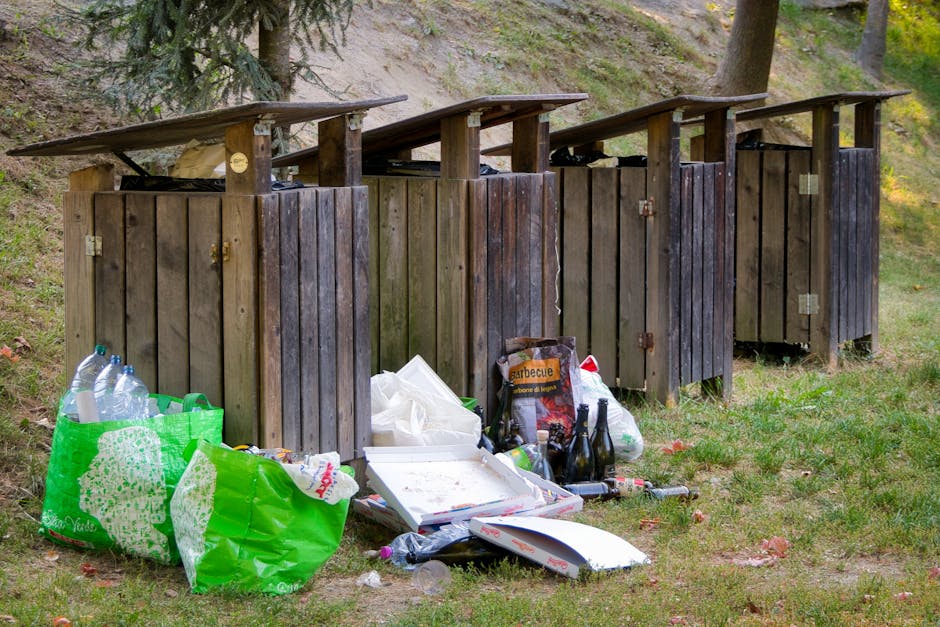
Hidden costs to avoid with Chiswick rubbish collection
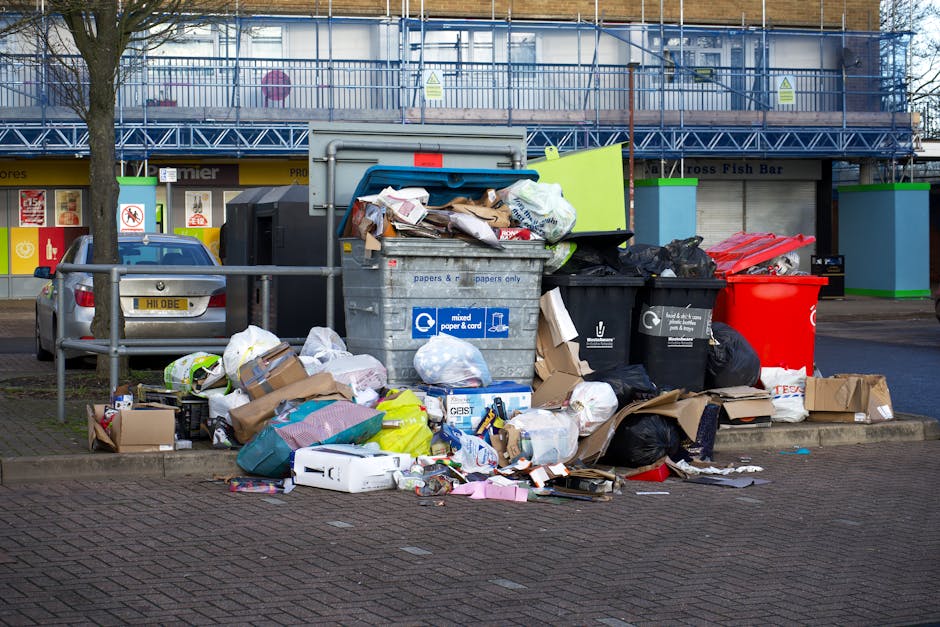
If you have ever booked rubbish collection and thought the price looked tidy, only to spot extra charges later, you are not alone. Hidden costs to avoid with Chiswick rubbish collection can turn a simple clear-out into an annoying little money leak. And in a busy part of West London, where access, parking and timing can all be awkward, those surprise costs can creep in fast.
This guide breaks down the charges people often miss, how collection pricing usually works, and what to check before you book. Whether you are clearing a flat, tidying a garden, or handling building waste, the aim is the same: keep the job straightforward, avoid nonsense fees, and get the right service first time.
Why Hidden costs to avoid with Chiswick rubbish collection Matters
The main reason this topic matters is simple: the headline price is rarely the whole story. A quote can look competitive, then shift once the provider adds weight surcharges, restricted-item fees, missed-access charges, wait time, parking complications, or disposal costs for awkward waste. That is especially relevant in Chiswick, where roads can be tight, loading space may be limited, and a quick collection can still involve a fair bit of logistics.
Truth be told, most people do not mind paying for a proper service. What they dislike is not knowing what they are paying for. A good rubbish collection should feel predictable, with a clear scope, clear limits, and no surprise call-backs. If you are comparing options such as rubbish removal, domestic skip hire, or wait and load skip hire, the details matter more than the brochure-style headline.
Hidden costs can also distort the decision between services. A cheap-looking collection might actually cost more than a properly sized skip once you add labour, congestion, or extra trips. That is why knowing the common traps up front can save time as well as money. No one enjoys realising the "deal" was only half the deal.
How Hidden costs to avoid with Chiswick rubbish collection Works
Rubbish collection pricing usually follows a few broad models. Some services charge by load size, some by weight, some by item type, and some by the time the crew spends on site. In practice, the total cost depends on what you are throwing away, how much of it there is, how easy it is to collect, and whether the waste needs special handling.
Here is the basic flow. You describe the waste, the provider estimates the vehicle or container size, and then the collection is priced around access, labour and disposal. If the waste is straightforward, the process is simple. If the waste is mixed, heavy, awkward or restricted, that is where added charges often appear. A mattress tucked behind a wardrobe, a broken fridge in the basement, or rubble from a small renovation can all trigger different cost rules.
In Chiswick, access issues can be a bigger factor than people expect. A property with narrow frontage, permit-sensitive parking, or no easy loading point can mean more labour or more time on site. Sometimes the better option is not the cheapest-looking one, but the one that avoids all those little add-ons. If you need a faster turnaround, a service like same day skip hire may be more sensible than trying to force a last-minute collection into an awkward schedule.
It also helps to understand the difference between waste removal methods. A skip can suit ongoing work, while a collection team can suit a one-off clear-out or bulky item removal. For some jobs, man and van style clearance is practical, while larger or heavier sites may be better served by grab hire services. The hidden cost risk comes from choosing the wrong method for the waste in front of you.
Key Benefits and Practical Advantages
When you understand the hidden costs before booking, you get more than a better price. You get control, less stress, and a clearer plan. That sounds obvious, but in a live household or jobsite, it makes a real difference.
- More accurate budgeting: You can compare quotes properly instead of comparing guesswork.
- Fewer delays: A clear scope means fewer awkward phone calls on collection day.
- Better service matching: You choose the right option for builders waste, garden waste, or bulky domestic items.
- Lower risk of penalties: Clear sorting helps you avoid restricted-item issues and reclassification charges.
- Less disruption at home or work: If the collection plan is right, the job feels calm instead of chaotic.
There is another benefit people often overlook: being upfront about the waste can actually unlock a simpler solution. For example, if you mention that you have mixed construction debris, the provider can steer you toward the most suitable option such as builders skip hire, construction waste disposal, or builders waste removal. That tends to be cheaper than trying to fit the wrong service to the wrong job.
Expert summary: the cheapest rubbish collection is not always the one with the lowest starting number. It is the one with the least room for add-ons, miscommunication, and awkward surprises later.
Who This Is For and When It Makes Sense
This applies to a lot more people than you might think. Homeowners doing a clear-out. Landlords between tenancies. Tradespeople on a tight schedule. Small businesses clearing stockrooms. Even someone just trying to get rid of a sofa, a broken appliance, and a pile of old boxes can run into hidden charges if the service is not scoped properly.
It makes particular sense when:
- you have mixed waste and are not sure how it will be charged;
- you are in a property with awkward access, stairs, or no driveway;
- you need to dispose of bulky items like a fridge, mattress, or sofa;
- you are handling renovation or clearance waste with uncertain volume;
- you need a permit-sensitive solution near a road, bay, or shared access point.
For domestic jobs, it may be worth comparing house clearance, garage and loft clearance, and mattress and sofa disposal. For commercial premises, the picture shifts again and office clearance or commercial skip hire may be more efficient.
To be fair, if your waste is tiny and very straightforward, you may not need much complexity at all. But once the load gets mixed or awkward, the hidden-cost risk rises quickly. That is where a bit of planning saves you money and a headache.
Step-by-Step Guidance
Here is a practical way to avoid surprise charges before you book. It is not glamorous, but it works.
- List everything you want removed. Separate general waste, bulky items, recyclables, heavy rubble, green waste and anything potentially restricted.
- Check access honestly. Note stairs, narrow drives, basement storage, parking restrictions, and whether the team can get close to the waste.
- Ask how the price is calculated. Is it by load, weight, labour time, item count, or a mix? You want the pricing logic in plain English.
- Ask what is included. Collection, lifting, disposal, congestion, parking, wait time, and VAT can all be handled differently.
- Confirm restricted items early. Refrigeration units, electronics, chemicals, plasterboard, tyres and clinical waste can all affect price or eligibility.
- Choose the right service type. A skip, a wait-and-load option, a grab lorry, or a full clearance crew each suits different jobs.
- Get the timing right. A rushed booking can cost more, especially if you need same-day work or out-of-hours access.
- Read the terms before you confirm. That unexciting step often saves the most money. Annoying, yes. Useful, also yes.
If you are unsure what can go in a container, the page on what can go in a skip is a smart place to start. It helps you avoid the classic mistake of assuming all waste is treated the same, because it really is not.
One small but important detail: if you are clearing a site quickly and access is limited, wait and load skip hire can sometimes prevent permit delays or repeat visits. That is one of those options people forget about until they are already stuck in the driveway.
Expert Tips for Better Results
After years of watching waste jobs go smoothly or go sideways, a few patterns stand out. The good news is that the fixes are simple.
- Photograph the waste before you book. A few clear pictures often reduce pricing disputes later.
- Be honest about heavy materials. Soil, rubble and tiles are not the same as mixed household rubbish.
- Separate high-risk items early. Fridges, batteries, paint tins and confidential paperwork should never be left as an afterthought.
- Plan for access as well as volume. A small pile in a difficult place can cost more than a bigger pile beside the kerb.
- Ask about recycling expectations. Some providers explain how waste is sorted and diverted, which can help you make a cleaner decision.
For tougher jobs, a service such as site clearance or construction waste clearance can be far more efficient than piecing together a few smaller collections. And if the job is genuinely specialised, hazardous waste disposal should always be handled separately rather than bundled in with ordinary rubbish. No shortcuts there.
A little caution goes a long way. If a quote sounds unusually low, ask what is not included. That one question can save you from the classic "oh, that's extra" moment. We have all had enough of those.
Common Mistakes to Avoid
Most hidden costs come from a handful of very ordinary mistakes. Nothing dramatic. Just assumptions that quietly turn expensive.
- Assuming all waste is classed the same. It is not. Mixed, inert, green and restricted waste each behave differently.
- Booking on price alone. The cheapest quote can become the most expensive once extras appear.
- Ignoring access problems. A locked gate, narrow lane or lack of parking can be enough to change the final bill.
- Forgetting permit needs. If a container goes on the public highway, you may need a permit. Check early.
- Overfilling a skip or underestimating load size. That can lead to refusal, extra charges or a second collection.
- Leaving restricted items hidden in the pile. One fridge, battery or paint tin can complicate the whole job.
People also forget to factor in specialist items. A broken appliance can involve fridge and appliance removal, while a confidential office declutter may need confidential shredding. If you bury those details in the middle of a general quote request, the final price may not match your expectation.
Another easy miss: choosing the wrong service for the job. A small domestic clear-out may suit rubbish removal, but a garden overhaul could be better matched to garden waste removal. Choosing well is half the battle, honestly.
Tools, Resources and Recommendations
You do not need fancy software to make a sensible decision. A notebook, a camera phone and a basic checklist are enough in most cases. What matters is the quality of the information you gather before you book.
- Photos: Take wide shots and close-ups of the waste and access route.
- Measurements: Roughly note the size of the pile, doorway width, stair count or vehicle access.
- Item list: Separate bulky items, white goods, green waste, rubble and confidential material.
- Timing plan: Decide whether you need same-day, scheduled or flexible collection.
- Service comparison: Compare skip hire, man and van, wait-and-load, and grab hire based on the job rather than the habit.
If you want a quick sense check on scale, the skip sizes and prices page is useful for understanding how capacity and cost often move together. For secure, weather-protected loads, enclosed and lockable skip hire can be worth considering. And if you want to understand the provider's wider approach, pages like recycling and sustainability and payment and security help build confidence before you commit.
If you are handling waste as part of a business move, fit-out or regular clearances, it may be useful to look at commercial skip hire alongside builders waste removal or muck away services. Different waste streams need different handling, and that is where cost control starts.
Law, Compliance, Standards, or Best Practice
Waste handling in the UK is not just a logistics issue; it also sits inside a basic legal and duty-of-care framework. You do not need to memorise legislation to make a good booking, but you do need to know that waste should go to an appropriate, lawful destination and be managed by a responsible operator.
For ordinary household or commercial rubbish, best practice is to be clear about what the waste is, keep restricted items separate, and use a service that explains how disposal is handled. If a provider cannot clearly explain what happens to your waste, that is a warning sign. Not necessarily a deal-breaker every time, but it is worth pausing.
Where permissions are involved, such as placing a skip on a road or in a permit-controlled area, check the need for a skip hire permit or the related skip permits guidance before confirming the booking. That is one of the most common hidden costs people miss, and it can be avoidable if raised early.
For business customers, confidentiality and safety matter too. Documents should be separated for confidential shredding, and appliances should not be mixed in with ordinary waste if they need separate handling. The same goes for safety-sensitive items. If in doubt, ask. It is a small delay compared with a collection refusal or a reclassification fee.
Practical rule: if a waste stream feels special, restricted or difficult, assume it probably is. Then price it accordingly.
Options, Methods, or Comparison Table
Different rubbish collection methods work better in different situations. Picking the right one is a major way to avoid hidden costs. Here is a simple comparison.
| Option | Best for | Possible hidden cost risk | Good to know |
|---|---|---|---|
| Rubbish removal | Quick household clear-outs, mixed small loads | Labour time, item restrictions, access charges | Good when you want things gone fast and do not want to load anything yourself |
| Skip hire | Projects with ongoing waste or predictable volume | Permit fees, overfilling, swap-out charges | Useful for renovations, garden work and larger clean-ups |
| Wait and load | Short, controlled clearances with limited space | Waiting time, access delays | Can help avoid permit-related costs if the team can load quickly |
| Grab hire | Heavy waste, rubble, soil and outdoor piles | Access limits, material separation, site preparation | Great for bulky heavy waste where a standard collection may struggle |
| Man and van | One-off clear-outs and small to medium jobs | Labour time, multiple trips, restricted items | Flexible, but pricing should be checked carefully if the load is not straightforward |
If you are comparing methods for construction or demolition waste, the more specialised pages such as demolition waste removal and construction waste disposal are more relevant than a general collection. For some jobs, the wrong service is the hidden cost right there.
Case Study or Real-World Example
Here is a realistic example from a typical small property clear-out. A homeowner in Chiswick is emptying a spare room, a cupboard under the stairs and a half-full shed. On the surface it looks like "just a few bags and one old appliance". Then the details come out: a broken fridge, a mattress, mixed DIY waste, a bit of garden cuttings, and a tight front access with no driveway. Classic.
The first quote looks cheap because it only covers general mixed rubbish. Once the appliance, mattress and access issues are added in, the price changes. Not because anyone is being awkward, but because the job has become a series of different waste streams with different handling requirements. The homeowner could have avoided the uplift by separating the items earlier and asking for a more accurate service match from the start.
In that situation, a combination of mattress and sofa disposal, fridge and appliance removal, and possibly a targeted house clearance would likely have been clearer than one vague all-in request. The interesting thing is that the "cheaper" option often becomes the expensive one only because the waste was described too loosely. Happens all the time.
That is why a few minutes of planning can save a very ordinary amount of money. Not life-changing, but enough for a nice takeaway after a long day, which counts for something.
Practical Checklist
Use this before you confirm any collection.
- Have I listed every item and waste type clearly?
- Do I know whether any items are restricted or need separate handling?
- Have I checked access, parking and loading space?
- Do I understand whether the quote includes labour, disposal and VAT?
- Have I asked about permit needs if waste will sit on a public road?
- Have I compared the right service type, not just the cheapest one?
- Do I know whether I need a skip, wait-and-load, grab hire or removal crew?
- Have I read the terms so I know what counts as an extra?
- Have I separated heavy waste from general waste?
- Am I confident the provider can handle the job without reworking the quote later?
If you can tick most of those boxes, you are already ahead of the game. Seriously. Most unpleasant surprises are just missing information in disguise.
Get a free quote today and see how much you can save.
Conclusion
The smartest way to avoid hidden costs with Chiswick rubbish collection is to slow the process down just enough to ask the right questions. What exactly is being removed? How is it charged? Is access easy? Are any items restricted? Do you need a permit? Those answers are usually where the real savings are found.
Once you understand the waste, the space and the service type, the booking becomes much more predictable. That is the goal. Less surprise, less friction, and a cleaner job from start to finish. And if you get that right, the whole thing feels oddly satisfying. A cleared room. A tidy drive. A job done properly. Simple, really.
Frequently Asked Questions
What hidden costs should I watch for with rubbish collection in Chiswick?
Common hidden costs include permit fees, access charges, overweight loads, waiting time, restricted-item fees, and extra disposal charges for specialist waste such as fridges or mattresses.
Why does the price change after I get a quote?
Quotes can change when the actual waste differs from the original description, or when access, labour, item type, or permit requirements are added later. That is why photos and accurate details matter.
Is skip hire cheaper than rubbish removal?
Not always. Skip hire can be better for ongoing projects, while rubbish removal may be more cost-effective for smaller one-off clearances. The cheapest option depends on volume, weight and access.
Do I need a permit for a skip in Chiswick?
You may need a permit if the skip is placed on a public road or another permit-controlled location. It is best to check early rather than discover the extra cost at the last minute.
How can I avoid paying for a second collection?
Separate waste properly, estimate volume honestly, and make sure the chosen service can handle all of your items. Overfilling a skip or underestimating mixed waste often leads to a second visit.
What waste items usually trigger extra charges?
Fridges, freezers, mattresses, sofas, tyres, paint, batteries, rubble, soil, plasterboard and confidential documents are all common examples of items that may need separate handling.
Is same-day rubbish collection more expensive?
It can be. Fast turnaround services often involve premium scheduling or operational costs. If timing is tight, ask whether same day skip hire or another urgent option is the better fit.
What is the best way to compare quotes fairly?
Compare what is included, not just the headline number. Check disposal, labour, permit support, access assumptions, VAT, and whether the quote applies to your exact waste type.
Can I mix garden waste with general household rubbish?
Sometimes yes, but it depends on the service and the waste profile. Mixed loads can affect pricing, so it is worth checking whether garden waste removal is a better match.
What should I do with hazardous items?
Keep them separate and ask for specialist handling. Hazardous items should never be treated like normal household waste. If you are unsure, use hazardous waste disposal rather than guessing.
How do I know whether I need a skip or a rubbish collection crew?
If waste will build up over several days, a skip is often more practical. If you want everything cleared in one visit, a collection crew may be better. Access, timing and waste type usually decide it.
What is the easiest mistake to avoid?
The easiest mistake to avoid is being vague. If you tell the provider exactly what you have, where it is, and how easy it is to reach, you reduce the chance of hidden costs more than anything else.